Observed symptom
Where, when and what was operating
HAUSE / Edmonton electrical planning
A repair request should describe what happened without guessing the cause. One dark room, recurring trips and a wider service interruption can require very different investigations.
Planning and referral resource, not the installation contractor. Professional credentials and local availability require confirmation.
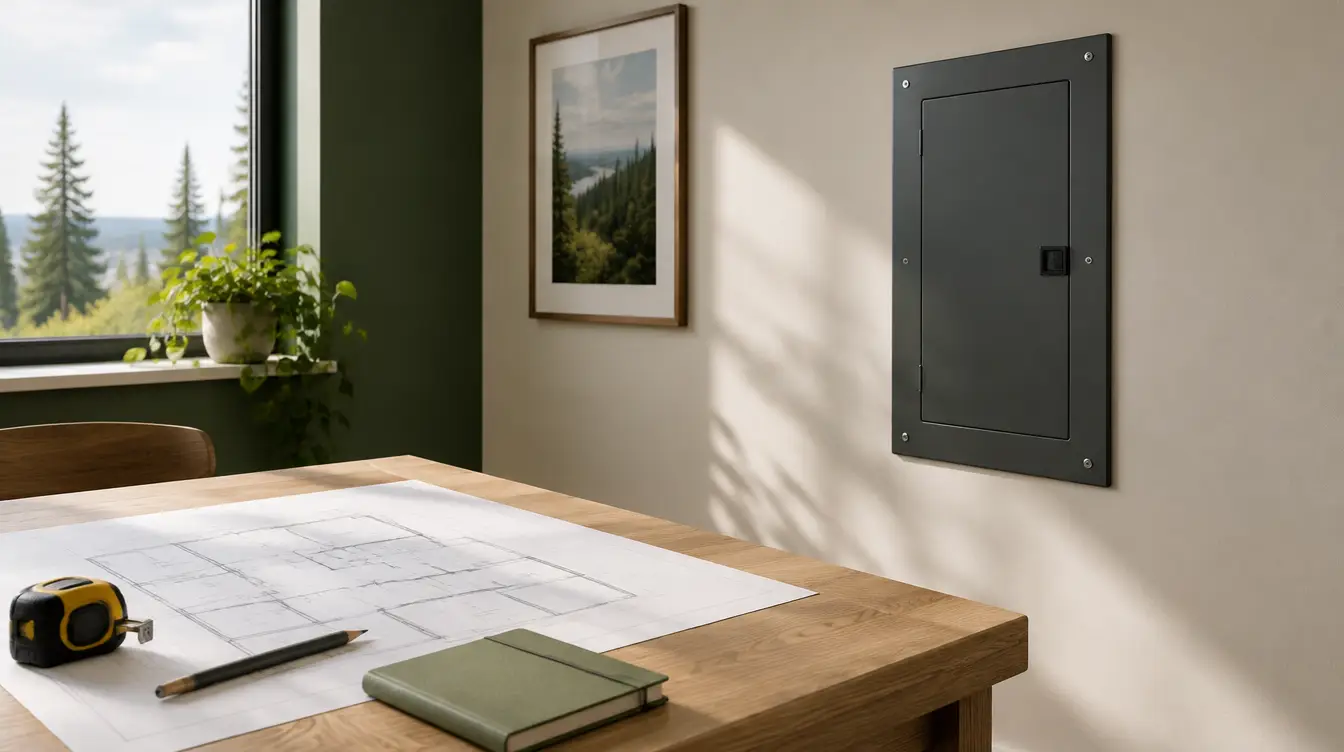
Three decisions to bring into the brief
Where, when and what was operating
Diagnostic boundary and authorization
Cause, repair and unresolved findings
Conceptual planning sequence. These cards do not specify wiring methods, issue permits or establish technical capacity.
Record what you noticed during ordinary use: which areas were affected, whether the issue recurs and whether recent work or water exposure is involved. Saying the lights in two rooms flicker gives a professional evidence to investigate. Saying the whole panel is bad may prematurely narrow the job around an owner's assumption.
Never remove a cover, repeatedly reset protection or approach damaged service equipment to complete an enquiry. Smoke, arcing, downed lines or immediate danger require the appropriate urgent response from a safe location, not a wait for a quote.
Ask what the initial visit includes, how additional work is authorized and whether parts or another attendance could be required. The first amount may cover diagnosis rather than every possible correction. A written finding should distinguish a confirmed cause from work the professional recommends investigating next.
When the scope is known, compare correction, equipment, access and finishing separately. A targeted repair should not be marketed as a whole-property electrical clearance. If an alteration changes the installation, have the contractor confirm the applicable permit question.
Retain the location, diagnosis, corrective work and any follow-up limitations. An intermittent issue stopping is not itself proof that the underlying cause was resolved. That record helps the next electrician avoid starting the same investigation without context.
Turn the reading into a useful next step
Keep unanswered questions visible. Record the actual property, selected equipment and the decisions a qualified professional needs to make.