Driving task
Ordinary day, demanding day and parked hours
HAUSE / Edmonton electrical planning
The useful question is not how powerful a charger can be. It is whether the actual installation can replace your driving energy during the hours the vehicle is parked — with a route and operating pattern that suit the property.
Planning and referral resource, not the installation contractor. Professional credentials and local availability require confirmation.
Three decisions to bring into the brief
Ordinary day, demanding day and parked hours
Attached garage, driveway or detached building
What the household notices when demand changes
Conceptual planning sequence. These cards do not specify wiring methods, issue permits or establish technical capacity.
Use the vehicle's observed consumption where available and identify the dependable charging window. A rare long journey can be a second scenario rather than the assumption behind every day. This energy exercise defines the owner's objective; the electrician must separately assess the electrical installation.
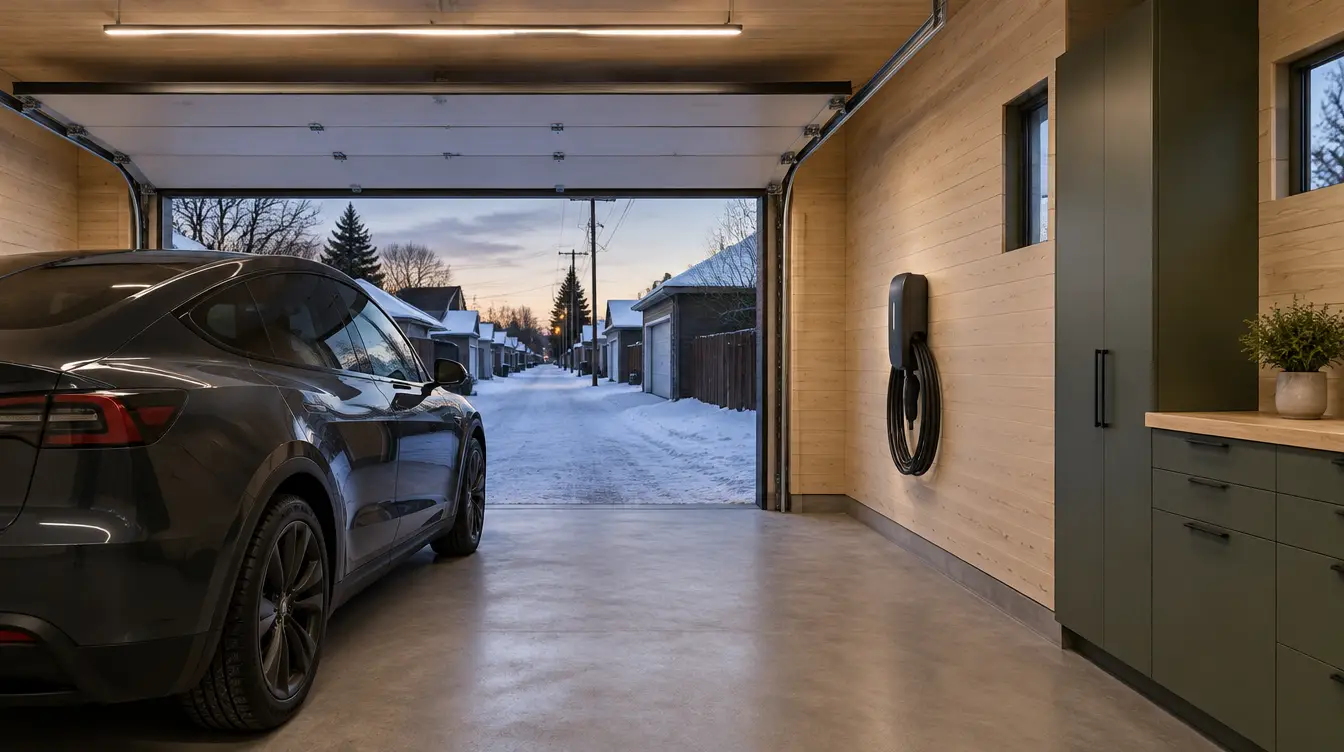
Bring the parking layout into that discussion. An alley-side detached garage, a finished basement route and an attached garage create different access and restoration questions. Specify where the car actually parks and whether a future second vehicle changes the plan.
For a suitable managed installation, ask when charging may slow or pause and what happens if communication is lost. Compare that operating experience with other professionally supported options. The lowest device price may not represent the least expensive completed installation, and the largest advertised current may not add useful household benefit.
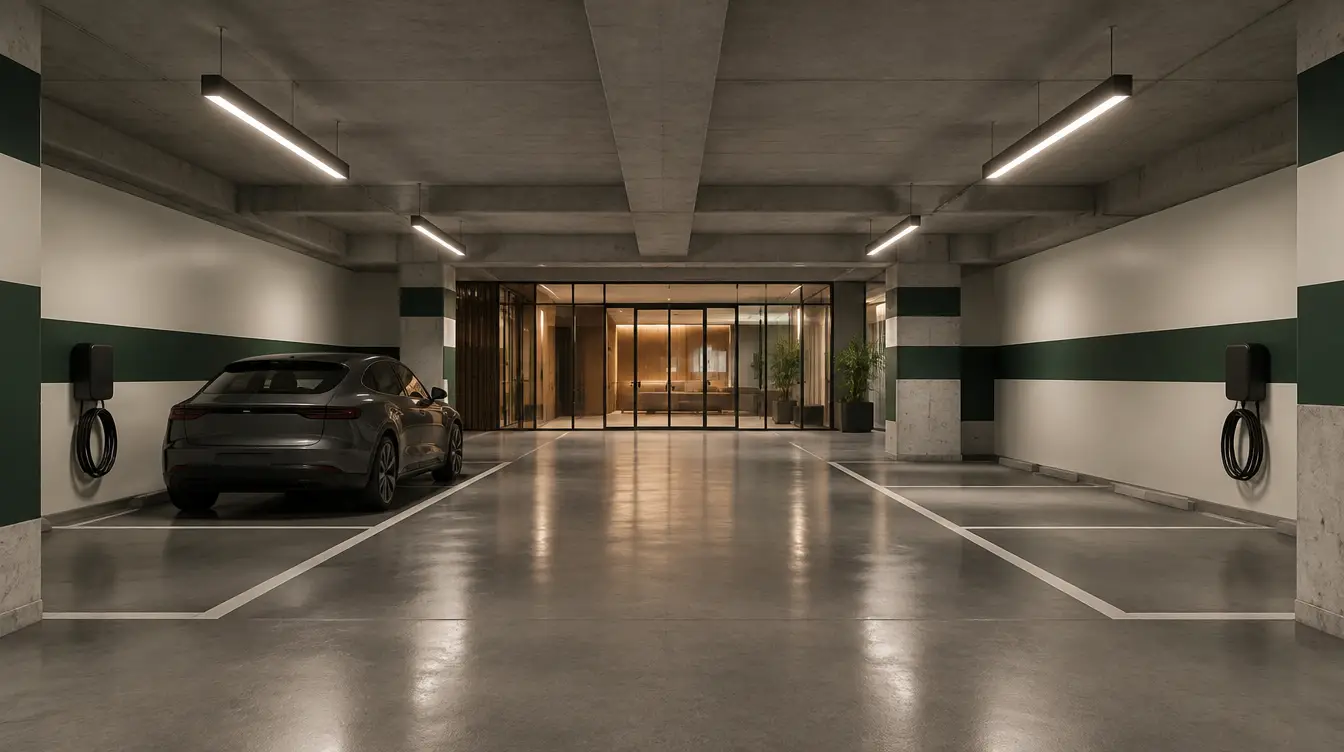
Condominium parking needs a different conversation about common systems, approvals and later users. A resident's preferred charger is not permission to alter shared infrastructure. Keep the single-home and building-wide pathways distinct.
The final record should identify the installed equipment, required approval outcomes, support responsibility and any charging limitations. Keep account ownership and product documentation accessible. Do not use improvised extensions or an unassessed circuit to bridge a poorly planned equipment location.
Turn the reading into a useful next step
Keep unanswered questions visible. Record the actual property, selected equipment and the decisions a qualified professional needs to make.